Friday, February 23, 2024

10 Best Tips On How To Grow An Indoor Herb Garden

I love my in-home urban jungle. It’s one of my favorite things to look at. I also grow my own herbs right outside my patio door, and there is something SO satisfying about being able to use the herbs you grow yourself in your everyday cooking.

As well, growing an indoor herb garden is a lot like inviting a little piece of the countryside into your home, minus the mud and the moles. 

Over the past 20 years, homesteading and cultivating full gardens has become somewhat of a passion of mine, and that journey let me down the road of hydroponics. The idea of growing plants in water, without soil, using nutrient-rich solutions in a cleaner, more controlled environment, seemed right up my alley.

As a result, I experimented with a few hydroponic systems and discovered some of the best methods to grow healthy, vibrant plants.

Here are top 10 favorite tips for starting your own indoor herb garden and bring fresh produce to your own kitchen.

1. Choose Your Herb Squad

The first step to becoming an indoor grower is to select the VIPs of their garden. Some of the most common kitchen herbs include basil, mint, parsley, cilantro, chives, oregano, and thyme. Assembling your cooking dream team is one of the funnest parts of the process!

2. Pick the Right Pots

Pots are basically homes for your herb plants, where they will live and thrive. To prevent issues like root rot and provide good drainage, always choose pots with drainage holes at the bottom. Material is also a big deal. Do you want the breathability of terracotta? Or the insulation of plastic pots? How big is the root ball? Will you need a larger pot or a smaller one? These choices will depend on the individual needs of each herb you choose to grow. Some might like to dry out, while others enjoy a consistently moist soil. Doing the research is a great way to make sure each plant thrives.

3. Get a High-Quality Potting Mix

Ditch the garden soil and go with a high-quality potting mix. Make sure it’s a well-draining potting mix, so you can cater to the needs of both annual herbs and perennial herbs with the right balance of nutrients and moisture. Your soil is the foundation of healthy herb growth for your indoor plants. 

4. Find the Right Lighting

Light is such an important element to your kitchen herb garden. When plants aren’t getting enough light, they tend to grow leggy in order to stretch for the light they need, and no one wants all stems and minimal leaves on their plants. To make sure your herb plants receive enough light, you can keep them on a sunny windowsill at a south-facing window. It offers tons of natural light, and is the most likely area to satisfy the amount of direct sunlight your herbs need. Don’t have a ton of ample light, or have less light during the shorter days of winter months? Getting an LED grow light can do the trick so that your herbs have easy access to the light they need. 

5. Plant the Seed or Young Plant

It’s much easier to start with young plants than to grow from herb seeds. Germination is a tricky process, and one that takes a while to master. Either way, you’ll also need to designate enough space for each plant so they aren’t fighting for nutrients. (I’ve seen it happen. It’s an all out brawl.) Using separate pots for different herb types is your best bet because it allows you to cater to each plant’s individual watering needs and growth habits.

6. Water Your Plants

Watering your herbs can be somewhat of a balancing act, and too many people get it wrong at this stage and kill their plants by drowning them. Likewise, leaving your plant too thirsty too often can also be detrimental. You’ll want your to make sure your soil is moist but not waterlogged. My personal test for whether to water or not is to check on the plants twice a week. Wednesdays and Sundays are my days. And I do the finger test. Stick your finger in the soil up to your first knuckle. Is the soil moisturized? Wait til the next watering day. Is the soil dry? Water it. It’s truly that easy.

7. Fertilize Your Plants as Needed

Herbs aren’t high-maintenance when it comes to fertilization. They require minimal fertilization to grow, and giving them too much will give them a weird taste. You’ll also need to look into the care needs of 2 types of herbs. Slow-growing perennial herbs with needles, small leaves, or woody stems like mint, bay laurel, oregano, rosemary, sage and thyme will need much less fertilizer than faster-growing annual and biannual herbs with larger leaves like basil, cilantro, dill and parsley. If you do fertilize, use a gentle dose of plant food or a half-strength liquid fertilizer, as it encourages new growth without overwhelming your plants.

8. Prune Those Herbs

Pruning isn’t just about looks. It also encourages bushier, healthier growth! Be sure to regularly harvest new leaves to encourage new growth at the base and prevent your plant from becoming leggy. Pruning is the key to a lush, full herb garden!

9. Incorporate Pest Control

Even the most well-kept indoor gardens can attract unwanted guests. Thrips, mealy bugs, aphids and/or spider mites eventually become the bane of almost every indoor gardener’s existence. That’s why keeping a vigilant eye on stems and the backs of leaves is a good practice. Learning the signs and symptoms of the presence of pests will help you diagnose issues when it comes to harder-to-see bugs like spider mites. And because you intend to consume these plants, it’s incredibly important that you utilize natural pest deterrents. Harsh chemicals can be absorbed by your plant and harm you in the long run, so opt for more organic methods.

10. Provide Good Air Circulation

Good air circulation is great for preventing issues like powdery mildew and other fungal diseases. You can do this by making sure there’s space between pots and that the air in your indoor garden circulates freely. However, having your plants near a heater or air conditioner vent can do them a world of harm, so make sure to move them to areas where they are away from inorganic airflow.

Tips for Success:

  • Start Small: Begin your indoor gardening journey with a manageable number of plants. This will allow you to learn and adapt as you go, and gradually expand your garden as your green thumb grows.
  • Herb Grouping: Plant herbs with similar lighting and watering needs together to make care easier and enhance the overall health of your garden.
  • Harvesting: Pick leaves regularly to encourage new growth, and create fuller, bushier herbs.
  • Repotting Plants: Some herbs may need to be repotted periodically to maintain their vitality and keep them from becoming root bound. 

FAQs on Indoor Herb Gardening

What are the best herbs to grow indoors?
The best herbs for indoor gardening include basil plants, mint plants, parsley, cilantro, chives, oregano, and thyme. These plants are all fairly resilient and you’ll end up using them a lot in your cooking.

How do I make sure my indoor herbs get enough light?
Herbs need about 6-8 hours of sunlight each day. Place them near a south-facing window or, in less sunny locations or during shorter days, use an LED grow light to give them enough light.

How often should I water my indoor herbs?
Water your herbs when the top inch of the soil feels dry to the touch. This easy-to-remember trick will help you keep the soil moist but not waterlogged, and avoid root rot.

Do indoor herbs require fertilizer?
Some do, and some don’t. So be sure to do your research! Plant apps like Planta and Vera can help you track fertilization needs and alert you when it’s time to fertilize.

How do I prevent pests from infesting my indoor herbs?
Keep the area clean and monitor your plants regularly. Use natural remedies at the first sign of infestation.

The AeroGarden Harvest Herb Garden

The AeroGarden Harvest Herb Garden is an amazing way to start your own indoor garden! It’s a compact system that’s perfect for small spaces or your kitchen window sill, and it lets you grow up to six plants without soil. This is the perfect system for first-time growers who are looking to add fresh herbs to their cooking. 

It also features a 20W LED light that simulates natural sunlight so you can keep it anywhere, including north-facing or west-facing windows. It’s especially great for those who don’t have enough space outside or who live in places with harsh outdoor conditions. The kit includes everything you need to get started, even a variety of plants themselves, so you don’t have to take a trip to your local garden center.

Get Growin’!

We hope that you enjoyed these tips, and that they help you to transform your living space into a lush, green haven. With a little patience and care, you too can have the lush indoor herb garden of your dreams. Do you have a favorite herb to grow? We’d love to hear about it! Be sure to comment below with which herbs you’re growing and your favorite meals to make with them!

AeroGarden Harvest Indoor Herb Garden Giveaway

Do you want to win your own aerogarden herb garden? Enter below to win your own below!  

The post 10 Best Tips On How To Grow An Indoor Herb Garden appeared first on Steamy Kitchen Recipes Giveaways.


from Steamy Kitchen Recipes Giveaways https://ift.tt/QrXwePg
via New Kitchen Special

Winner’s Choice Instant Win

Happy Friday, Steamy Kitchen Fam! We believe you’ll thoroughly enjoy this Instant Win because YOU have full control!
We consistently ask about your preferences for winning, and with this Instant Win, you’ll have the power to select precisely what you desire!

Enter and spin to win below.

winner's choice instant win

Choose your favorite place to spend with a $10 Gift Card to treat yourself to a little something that you really do want! You can pick Amazon, Your favorite restaurant or coffee shop, or maybe just simply PayPal for a quick cash boost! 

winner's choice instant win how to spend

Where would you pick to win a $10 Gift Card to? Let us know in the comments!

Winner’s Choice Instant Win


The post Winner’s Choice Instant Win appeared first on Steamy Kitchen Recipes Giveaways.


from Steamy Kitchen Recipes Giveaways https://ift.tt/5nuYaRw
via New Kitchen Special

Thursday, February 22, 2024

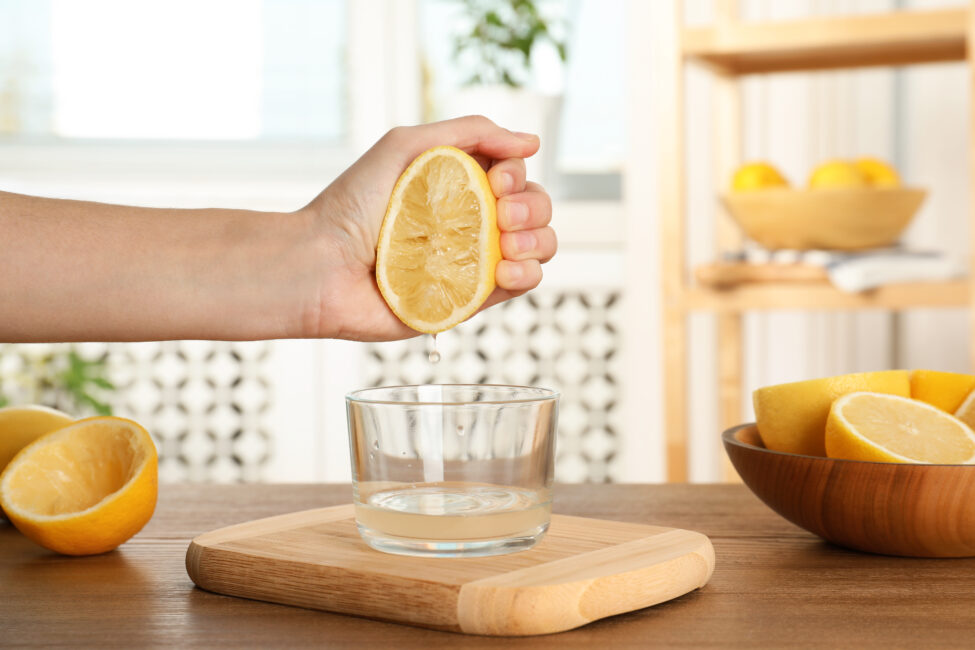
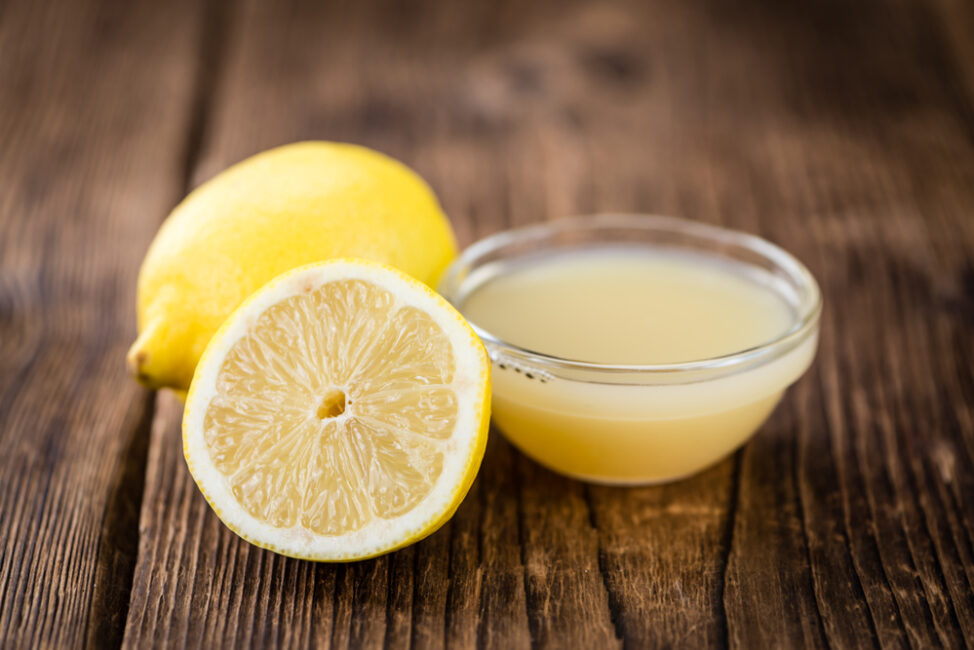
How Long Does Lemon Juice Last in the Fridge?

I recently had the sour disappointment of reaching for a bottle of lemon juice in my fridge, only to find that it was looking a little suspect. 

Lemon juice seems simple enough to keep on hand, but its shelf life can be somewhat of a mystery. Whether you’re making a batch of lemonade or throwing a citrusy kick into your favorite recipes, knowing how long lemon juice lasts can mean the difference between tasty and terrible. So, let’s talk about the best way to store this liquid gold.

The Lemony Lowdown

So, how long does lemon juice last in the fridge? If you’re squeezing for a quick answer, here it is: Lemon juice has a range of a couple days to over a year, depending on type and storage conditions. Freshly squeezed will last you 3 to 4 days in the fridge, while the store-bought kind boasts a MUCH longer shelf life thanks to preservatives. The longevity of your lemon juice hinges on several factors. Stick with me while we dive into the juicy details of keeping your lemon juice fresh.

Factors that Affect the Shelf Life of Lemon Juice

The shelf life of lemon juice is influenced by a cocktail of factors:

  • Type of Lemon Juice: There’s a noticeable difference between the homemade squeezed kind and the store-bought bottle. Freshly squeezed lemon juice, with its lack of additives, has a much shorter fridge life compared to its commercially-produced counterpart, which often contains preservatives that extend its shelf life. And even then, the shelf life of the bottled kind will depend on just how much preservatives have been added. Here’s how that breaks down:
    • Freshly squeezed: 3 to 4 days in the fridge; 3 to 4 months in the freezer
    • Bottled Store-bought (unopened): about a year in the pantry (once opened, move to fridge)
    • Bottled Store-bought (opened): 6 months in the fridge; indefinitely in the freezer
    • Lemonade: 1 week in the fridge; 2 to 3 months in the freezer
  • Ingredients: Citric acid in itself is a preservative. So whether it’s pure lemon juice or lemon juice with added ingredients (like sugar or water) can also affect longevity. When it comes to lasting power, the simpler, the better.
  • Storage: How you store your juice makes a difference. Fresh lemon juice should be stored in an airtight container and kept in the fridge. Store-bought juices last longest when kept in their original, unopened bottle and away from direct sunlight and heat sources, until it’s time to use them. Then the should be sealed tightly and stored in the fridge.
  • Room Temperature Conditions: Fresh lemon juice left out on the kitchen countertop will only last about a day. Bottled will last about a year unopened. Lemonade should always be stored in the fridge.
  • Additives: Additives can make or break lemon juice. While the preservatives in store-bought lemon juice can extend its shelf life, the sugar and water in lemonade cut that shelf life WAY down. While it has the lowest shelf life of all lemon juice, freshly squeezed offers the best quality and health benefits, like vitamin C, without any of the extra stuff.
  • Use-by Dates: When it doubt, ALWAYS check the use-by date on lemon juice. The dates on store-bought lemon juice are more of a ballpark for freshness, and you can usually tack on 2 to 3 more months to the date before it actually goes bad, especially if it’s remained unopened. Lemonade’s use-by dates should be taken a little more literally.

Signs That Lemon Juice Has Gone Bad

When life gives you lemons, make lemonade! But what if your lemon juice has crossed over to the dark side? Here are some signs that it’s lost its zest:

  • Smell: Fresh lemon juice will have a clean, citrusy scent. If it starts to smell musty like an old lemon left in the sun, it’s time to say goodbye.
  • Appearance: Good lemon juice is clear and bright yellow. If you notice any murkiness or signs of mold, your lemon juice has probably gone bad.
  • Taste: If you’re brave enough to try it, and the juice passes the smell and appearance test, a quick taste can confirm. Off flavors are a dead giveaway.

The main health risk with bad lemon juice is food poisoning. It’s just not worth the risk. Like I always say: “When in doubt, throw it out.”

Tips on How to Maximize Shelf Life of Lemon Juice

Want to make sure your lemon juice stays fresh for as long as possible? Here are some tips:

  • Storage: Store your lemon juice in an airtight container to protect it from the elements. Glass jars are a good option for keeping lemon juice fresh and preventing it from absorbing any unwanted flavors.
  • Chill Out: The fridge is the best place for lemon juice to chill, literally. Keep it cold, as this will slow down the oxidation process and preserve its taste and freshness.
  • Freeze: For long-term storage, freeze lemon juice in ice cube trays. Once frozen, transfer those cubes to a freezer bag. This will not only extend its shelf life but it’s also a super convenient way to measure out just the right amount you need.
  • Label It: Whether you’re storing it in the fridge or freezer, label your lemon juice with the date it was squeezed (or opened, if store-bought). This will help you to keep track of its freshness.

Loving Your Leftover Lemon Juice:

Got some leftover lemon juice sitting pretty in your fridge? Don’t let it go to waste! Here are a few creative ways to use it up:

  • Lemon Ice Cubes: Freeze lemon juice in ice cube trays, then use them to zest up your water or iced tea.
  • Dips & Salad Dressings: Whip up a homemade salad dressing or dip with leftover lemon juice. Here are some condiments you can make at home using lemon juice: Healthy Hummus, Creamy Avocado Dressing, Tarragon Yogurt Dressing.
  • Lemon Curd: Turning your lemon juice into lemon curd is a great way to extend the life of your lemons and whip up a taste dessert!

FAQs

Can I freeze whole lemons?
Absolutely! Just remember to place them in a freezer bag first and release as much air as possible before sealing. When you’re ready to use them, let them thaw at room temperature or microwave them for a few seconds for easier juicing.

What’s the best way to store cut lemons?
Cut lemons should be stored in a sealed container or wrapped tightly in plastic wrap to minimize their exposure to air and prevent premature spoilage. Place them in the crisper drawer of your fridge. For the best results, use your cut lemons within a couple of days.

Can lemon zest be stored for later use, and how?
Yes! For short-term storage, zest your lemons and keep that zest in a small, sealed container or plastic bag in the fridge. To store it for longer, freeze the zest in a zip-top bag or an airtight container.

How can I extend the shelf life of lemon juice without compromising its quality?
Store your lemon juice in a glass jar or plastic container and keep it in the fridge. If you’ve squeezed more juice than you need, freeze it in ice cube trays, then transfer the lemon juice cubes into a freezer bag.

Pucker Up and Enjoy!

From storage tips to creative uses for leftovers, we hope we’ve covered everything on the citrus spectrum to help you get the most life out of your lemon juice!

Got your own lemony tips to share? Or perhaps a favorite lemon recipe? I’d love to hear about it! Leave a comment below with your citrusy secrets or how you keep your lemon juice fresh!

Want More Related Tips?


The post How Long Does Lemon Juice Last in the Fridge? appeared first on Steamy Kitchen Recipes Giveaways.


from Steamy Kitchen Recipes Giveaways https://ift.tt/K2HQXMV
via New Kitchen Special

How Long Does Ginger Last in the Fridge and Freezer?

Ginger is an incredibly multifaceted ingredient. You can use it in curries, stir-fries, salad dressings and even take advantage of it’s healing benefits when you are sick. Every now and again, I buy ginger with the intention of making one of those things and then… promptly forget. 

Later on, I’ll be rifling through my fridge and find that well-intentioned ginger, looking forlorn and abandoned at the bottom of my crisper drawer. *cue sad violins*

I know I can’t be the only one. Ginger, with its spicy kick and anti-inflammatory benefits, is a (sometimes forgotten) kitchen staple for many of us. Whether you have some leftover or forgot the whole thing all together, the big question in this scenario is: How long does ginger last in the fridge? And what can we do to keep it fresh as long as possible?

The Quick Answer

If you’re looking for the quick scoop, here it is: Fresh ginger root can hang out comfortably in your fridge for about three weeks to a month. Of course, its longevity depends on a few key factors, including if it’s cut and how it’s stored. Stick around as we peel back the layers (see what I did there?) on how to keep your ginger fresh and full of zing.

Factors the Affect The Shelf Life of Ginger

Keeping ginger fresh is like walking a fine line. Too moist and it rots. Too dry and it degrades. Here are some things that can affect the fridge life of your ginger:

  • To Cut or Not Cut To Cut: Whole pieces of unpeeled ginger root tend to last longer than pre-cut or peeled pieces.
  • Storage: The way you prep and stash your ginger dramatically affects it’s life span in your fridge. Unpeeled and uncut ginger can last outside of the fridge for about a week. But, if you store it right in the fridge, it will last for up to a month. Read on to find out the best way to store it.
  • Room Temperature Rules: Can’t you just leave ginger on the kitchen counter? Sure, ginger can hang out at room temperature for a bit, but it won’t last as long as it does in the fridge. We’re talking a week, tops, before it starts to lose its firmness and spicy personality.
  • Sell-by / Use-by Dates: For store-bought ginger, these dates can be helpful but aren’t the final word. Fresh ginger doesn’t usually come with a sell-by date, so you’ll need to trust your senses. Look for firm roots with smooth skin, and avoid any that feel soft or show signs of mold.

Signs That Ginger Has Gone Bad

Figuring out if ginger has gone bad is less like the detective work of Inspector Clouseau and more like Inspector Gadget. (Go go gadget nose!!) That’s right. You too have all the gadgets to solve this puzzle already built in. 

Trust Your Sniffer: Fresh ginger should smell zesty and peppery. If it smells off, sour, or has no aroma at all, that’s your first clue that it’s time to say goodbye. 

Trust Your Touch: Fresh ginger boasts a firm, snappy texture. If it’s soft, mushy, or you can easily push your finger into it, it’s past its prime. 

Trust Your Peepers: Look for any visible mold or discoloration. Ginger turning to the dark side often shows up with spots or a change in color.

While eating spoiled ginger is less likely to cause food poisoning, it can definitely lead to some digestive distress. If you find yourself eyeing your ginger skeptically, it’s best to just toss it. When in doubt, throw it out.

Tips on How to Maximize the Shelf Life of Ginger

Keeping your ginger fresh for as long as possible is about smart storage conditions. Here’s how to keep your ginger kickin’:

  • Fridge It: Wrap unpeeled ginger root in a paper towel to combat excess moisture, then slip it into a resealable plastic bag and get out as much air as possible. Airtight containers also work, but they’re harder to get the excess air out of, which can affect freshness. After you wrap it, place it in your crisper. This method will keep your ginger cozy, dry, and away from any moisture that might speed up its decline.
  • Keep It Whole: Resist the urge to chop or peel the entire root if you’re not using it all at once. Ginger keeps its freshness longer when stored whole. Just slice or peel the amount you need, then store the rest as described above.
  • Freezing for Future Use: Ginger freezes remarkably well, and can extend its life for up to six months or more. It can also freeze in a variety of ways. 
    • Whole: Place a whole piece of ginger in a freezer bag, squeeze out all the air, and stick it in the freezer. When you need a piece, peel a section off and grate as you go. No need to thaw!
    • Diced or Grated: For the best results, peel the ginger, then dice or grate and place them in to ice cube trays. Once frozen, transfer them to a freezer-safe bag or container. This method makes it easy to grab just the amount you need for cooking or brewing up some ginger tea.
    • Ginger Paste: Scoop ginger paste into a silicone ice cube tray. Once frozen, transfer the “cubes” into a Ziploc bag and place back in the freezer.
  • Safe Thawing: If you’ve frozen a large piece of ginger and need to thaw it, just leave it in the refrigerator overnight. For quicker thawing, you can leave it out at room temperature for a few hours. But for most needs, like cooking, you actually won’t need to thaw it at all.
  • Label Like a Pro: When freezing ginger, remember to label the bag or container with the date, and make sure to use it within 6 months of freezing.

Creative Ways to Use Up Your Ginger

Got a knob of ginger lingering in your fridge? Before it crosses over to The Great Ginger Beyond, let’s talk about giving it its final encore. If your ginger is on the brink but not yet a candidate for the compost bin, consider these flavorful send-offs:

  • Ginger Tea: Simmer thin slices of ginger in boiling water to make a soothing tea.
  • Ginger Powder: Dry out small pieces of ginger in your oven (on a baking sheet and at a low setting) or use a food dehydrator if you have one, then grind them into a fine powder in a food processor. Viola! You have your very own homemade ginger powder!
  • Ginger Paste: Blend ginger with a small portion of oil or water to create a paste.

FAQs

Is it a good idea to store ginger in a brown paper bag?
Stashing whole ginger in a brown paper bag is also a good option if you’re looking to store in your fridge’s vegetable drawer. The bag acts as a breathable home that helps absorb excess moisture. Just make sure to keep the bag in a cooler spot and away from direct sunlight.

Can I make ginger juice for later use, and how should I store it?
Ginger juice is like liquid gold for your health. It’s packed with a number of health benefits and, of course, that signature spicy flavor that can add a zesty kick to dishes and drinks. Since ginger is so potent, I recommend juicing your ginger, and storing it in small batches. For the fridge, just store it in an airtight container, and for a longer shelf life, freeze it in ice-cube trays. Frozen ginger juice cubes are great for smoothies AND cooking.

What’s the easiest way to peel ginger, and does it affect its shelf life?
The easiest way to peel ginger is to scrape its skin off with the edge of a spoon. However, peeling ginger can expose it to more air, which can accelerate moisture loss. Store peeled ginger in a resealable bag or airtight container in the fridge or freezer to slow degradation.

How can I tell if frozen ginger has freezer burn?
Freezing ginger is a great option to extend its life, but that doesn’t mean it’s immune to freezer burn. Look out for ice crystals, and a dry, leathery texture. You might also notice a loss of ginger’s vibrant color. While freezer burn doesn’t make the ginger unsafe to eat, it can certainly diminish its flavor and potency. To avoid this, make sure to wrap your ginger tightly, so you can minimize its exposure to air before you put it in the freezer.

We hope this comprehensive guide helps you to get the most out of your ginger. 

Got a good ginger tip? Maybe a secret family recipe for the perfect ginger cake? We’d love to hear it! Share your thoughts and favorite ginger hacks in the comments below.


Here Are Some More Fridge Tips: 

The post How Long Does Ginger Last in the Fridge and Freezer? appeared first on Steamy Kitchen Recipes Giveaways.


from Steamy Kitchen Recipes Giveaways https://ift.tt/hcMTZKI
via New Kitchen Special

Monday, January 29, 2024

Ring Home Alarm System Giveaway

Happy Monday, Steamy Kitchen Fam!

Welcome to our latest giveaway, where we’re excited to offer you the chance to elevate your home security with the Ring Home Alarm System Giveaway! Your home should be a haven of safety, and what better way to achieve that than with state-of-the-art technology designed to keep you and your loved ones protected?

Read more below and enter to win.

ring home alarm system giveaway

About the Ring Home Alarm System

  1. Comprehensive Protection: The Ring Home Alarm System provides comprehensive coverage for your home. Equipped with motion detectors, door and window sensors, and a range of other sensors, it creates a robust security net to keep potential threats at bay.
  2. 24/7 Monitoring: Enjoy peace of mind with 24/7 professional monitoring. In the event of an emergency, the Ring Alarm System immediately alerts the monitoring center, ensuring a swift response to any potential issues.
  3. Mobile Access: Keep an eye on your home from anywhere with the Ring mobile app. Receive real-time notifications, arm or disarm your system remotely, and even check in on live camera feeds for added reassurance.
  4. Easy Installation: Worried about complicated setups? Fear not! The Ring Home Alarm System is designed for easy installation, meaning you can have your home secured in no time without the need for professional assistance.

ring alarm mobile app

The Ring Home Alarm System is a cutting-edge solution that goes beyond traditional security measures. With its user-friendly design and seamless integration into your daily life, it’s a smart choice for anyone looking to bolster their home security.

ring alarm full image


Don’t miss out on the opportunity to fortify your home with the Ring Home Alarm System! Enter our giveaway today and take the first step towards a safer and more secure living space. Good luck to all participants, and may your home be a fortress of tranquility with the Ring Home Alarm System!


Ring Home Alarm System Giveaway

Enter to win below.


The post Ring Home Alarm System Giveaway appeared first on Steamy Kitchen Recipes Giveaways.


from Steamy Kitchen Recipes Giveaways https://ift.tt/Br6Q0NL
via New Kitchen Special

Sunday, January 28, 2024

15 Lucky Foods For Chinese New Year

Hello friends! Welcome to the Spring Festival! It’s that time of year again when red envelopes are exchanged and the aroma of traditional foods fills the home. If you know anything about Chinese New Year celebrations, you know it’s also a time where every dish, every Chinese word uttered, and every sticky rice ball carries a deep meaning, soaked in symbolism.

During this time of year, what’s good luck and what’s bad luck plays an important role, especially around food. From the crowded streets of Hong Kong to the quiet homes of South Korea, traditional Chinese New Year foods are about so much more than just nourishment.

They’re about bringing happiness, good health, and prosperity into the new year.

Chinese New Year foods

Today, we’re exploring lucky Lunar New Year foods and talking what each one symbolizes. (And if you’re looking for which foods to avoid this time of year, check out our full rundown of Unlucky Foods For Chinese New Year.) Let’s dive in, shall we?

Spring Rolls (春卷, Chūnjuǎn)

Chinese New Year spring rolls

Ever wondered why spring rolls are such a popular dish during the Lunar New Year celebration? Well, aside from being irresistibly crispy and delicious, they’re basically little, edible gold bars! Their golden-brown color and elongated shape tend to resemble a ton of gold, making them a symbol of wealth and prosperity. Looking to roll some wealth into your new year?

Try making them yourself with our very own Steamy Kitchen Spring Rolls Recipe. Trust me, your taste buds and fortune will thank you.

Pomelo (柚子, Yòuzi)

Chinese New Year pomelo

This giant citrus fruit isn’t just refreshing, it’s a symbol of family unity and abundance. In Chinese culture, the word for pomelo sounds like “to have”, making it a lucky fruit to enjoy during the festivities. It’s a lucky food that says, “We’ve got everything we need right here!”

For a zesty twist, check out Linda’s Pomelo Salad Recipe at Roti N Rice and dive into a bowl of refreshingly good fortune!

Jujube (紅棗, Hóngzǎo)

Chinese New Year jujube

These little red dates are a deliciously sweet treat, and in the Chinese tradition, their vibrant color is a beacon of good luck and prosperity. Because of this, they’re used in a plethora of dishes during the annual celebration. Here’s one of my favorites: Jeanette of Jeanette’s Health Living has an amazing Jujube Date Jam Recipe.

Spread some luck on your morning toast this new year!

Buddha’s Delight (羅漢齋, Luóhànzhāi)

Chinese New Year buddha's delight

This traditional dish is not only vegetarian, but it also symbolizes purity and cleansing. Eating Buddha’s Delight is akin to giving your body and soul a fresh start for the coming year. And it’s packed with all sorts of goodies like shiitake mushrooms (which represent a long life) and bamboo shoots (prosperity and vitality).

Get your cleanse on with this Buddha’s Delight Recipe from Azlin at Lin’s Food.

Chicken Feet (鳳爪, Fèngzhuǎ)

Chinese New Year chicken feet

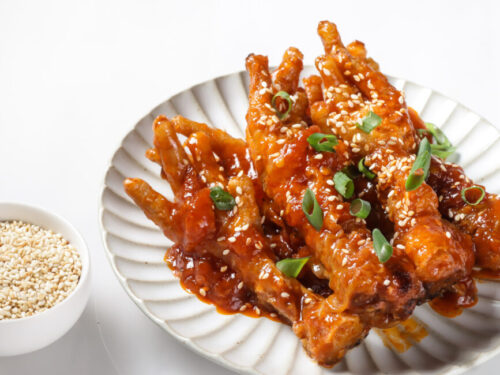
Okay, before you squirm, hear me out. Chicken feet might not be everyone’s cup of tea, but in Chinese culture, they’re seen as a symbol of success and abundance. A little like munching your way to achieving your goals.

Feeling adventurous? Give Randy’s Chicken Feet Recipe a go at Made With Lau. Who knows, it might just be the kick you need for a successful year.

Peking Duck (北京烤鴨, Běijīng Kǎoyā)

Chinese New Year peking duck

To many Chinese people, Peking duck is the Rolls-Royce of duck dishes. It’s known for its succulent meat and crispy skin, but did you know it’s also a symbol of loyalty and happiness within Chinese culture? It’s also the kind of meal that conveys to family members, “We’re in this together, and it’s going to be delicious.”

Craving some? Check out Wei’s Peking Duck Recipe at Red House Spice.

Lychee (荔枝, Lìzhī)

Chinese New Year lychee

Sweet, juicy, and bursting with flavor, lychees are seen as a symbol of strong family ties and abundance. “Family first, and make it sweet,” each little Lychee whispers. For a fun twist, why not mix up a Lychee Mai Thai this Chinese New Year’s eve, courtesy of Kazu from Funky Asian Kitchen? It’s basically the festive spirit in liquid form.

Longevity Noodles (長壽麵, Cháng Shòu Miàn)

Chinese New Year long life noodles

Who doesn’t love noodles? Except, these aren’t just any long noodles… they’re long-life noodles! Longevity Noodles symbolize, well, longevity. Their length represents a long, healthy life, so slurp away to add on those extra years!

Want to try your hand at these life-extending noodles? Ms Shi & Mr He have got you covered with their Longevity Noodles Recipe. 

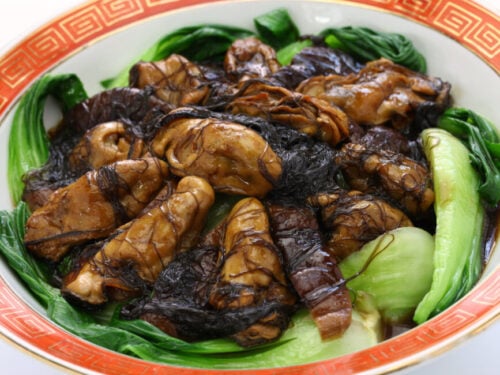
Black Moss Seaweed (髮菜, Fàcài or Fat Choy)

Chinese black moss with oysters and veggies

This might look like a bunch of tangled seaweed, but the Chinese name for Black Moss sounds suspiciously similar to the Chinese word for “getting rich”. So, of course it’s a must-have for those aiming to boost their wealth this year. Black moss is rarely eaten alone and is usually mixed into Chinese food to enhance the meal’s wallet-fattening abilities. Intrigued? Jeanette from Wok & Kin whips up a mean Braised Mushrooms and Black Moss Recipe. Get ready to rake in that dough – figuratively, of course.

Whole Steamed Fish (魚, Yú)

Chinese New Year steamed fish

The star of many a New Year’s Eve dinner table, a whole fish one of those auspicious foods that symbolizes abundance and prosperity. In Chinese, the word for fish sounds like ‘surplus’, so it’s like saying, “May you always have more than enough!” But here’s the kicker – you shouldn’t finish the whole fish. Leaving some invites that surplus to roll over to the next year. Dive into Mei’s of Two Plaid Aprons’ classic Chinese Steamed Whole Fish Recipe. And may you be swimming in prosperity this year.

Lion’s Head Meatballs (狮子头 – Shīzitóu)

Chinese New Year lions head meatballs

When you hear ‘Lion’s Head Meatballs’, you might think it’s something fierce, but it’s actually a dish that’s all about prosperity, strength, and vigor. These meatballs are named for their resemblance to the head of the traditional Chinese guardian lion, which symbolizes protection and good fortune. They’re eaten for just about any special occasion, but are also definitely a hit at any New Year Reunion Dinner. Try making these majestic meatballs yourself with Sam and Dan’s recipe from Ahead of Thyme: Lion’s Head Meatballs Recipe.

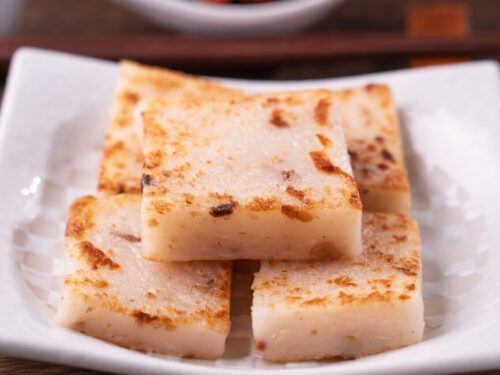
Turnip Cake (蘿蔔糕, Luóbogāo)

Chinese New Year turnip cake

Don’t let the name fool you; this cake isn’t actually made with turnip at all. It is, however, savory and steamed and made from shredded radish and rice flour, AND it’s all about good omens and prosperity. Eating Turnip Cake is like decadently diving into a slice of good fortune. Ready to give it a try? Check out Thanh’s Turnip Cake Recipe over at Eat, Little Bird.

Hot Pot (火锅, Huǒ Guō)

Chinese New Year hot pot

If you’ve ever had Hot Pot, you’ll know it’s more than just a meal; it’s an experience. Hot Pot (or Steamboat as it’s called in Southeast Asian countries) with its round shape and communal eating style, is all about unity and harmony in Chinese culture. Like gathering around a culinary campfire, where everyone shares, cooks, and enjoys the meal together. It’s a circle of food, love, and warmth. Craving some communal cooking? Dive into this Chinese Hot Pot Recipe from CC of Asian Cooking Mom, and bring the whole family together.

Chinese BBQ Pork (叉燒, Char Siu)

Chinese New Year char siu

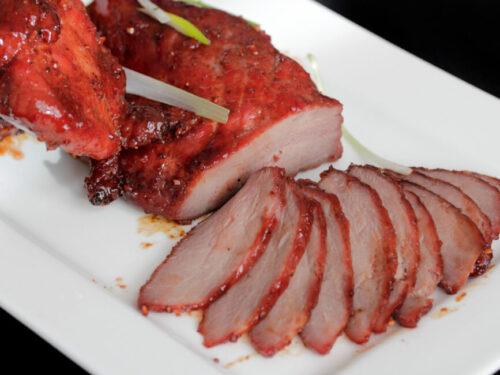
For starters, let me tell you… this sticky, sweet, and savory pork is SO good! Beyond the incredible flavor, it also symbolizes strength, wealth, and blessings. You might even think of it as an edible spell to bring some abundance into your life. Ready to BBQ your way to blessings? Joyce from Pups With Chopsticks has a fantastic Chinese BBQ Pork Recipe. Get that glaze ready, and let the good times roll!

Oranges and Tangerines (橙, Chéng and 桔, Jú)

Chinese New Year tangerines and oranges

Last but definitely not least, oranges and tangerines are just as much a traditional Lunar New Year food as any cooked meal, and they’re all about luck and wealth. Their names sound like ‘success’ and ‘gold’, making them a must-have for a lucky new year. Plus, they’re a healthy, refreshing snack to balance out all the feasting. And the best part: no recipe needed for these! Just peel, enjoy, and soak up those lucky vibes.


Chinese New Year food spread

Hope you enjoyed this feast of flavors and symbolism! Whether you’re cooking up a storm or just enjoying the read, here’s wishing you a year filled with all the good fortune, health, and deliciousness you could ever want. Happy cooking, happy eating, and most importantly, Happy Chinese New Year! 🍊🍲🥢🎊


Check Out More About Chinese New Year Foods Here:

The post 15 Lucky Foods For Chinese New Year appeared first on Steamy Kitchen Recipes Giveaways.


from Steamy Kitchen Recipes Giveaways https://ift.tt/AX0f1Wd
via New Kitchen Special
Saturday, January 27, 2024

The Ultimate Lunar New Year Gift Guide

As the moon completes its cycle and we gear up for the most important festival in the lunar calendar, you might be scrambling to find the perfect Chinese New Year gift for your friends and loved ones. Worry not, because we’ve got you covered!

From the traditional to the quirky, our list of the top 10 best Lunar New Year gifts is all about celebrating this festive season in style and, of course, with a touch of good fortune.

Whether you’re looking for something special for your family members, hoping to impress your Chinese friends, or just wanting to avoid the bad luck of gifting sharp objects (yikes!), we’ve got some great gift ideas that resonate with the vibrant spirit of Asian culture.

And let’s not forget the all-important color of the gifts – we’re talking reds and golds, the luckiest numbers in the color spectrum. Get some tea, get comfy, and let’s dive into the world of dragons, lucky money, and the best gifts to start your Lunar New Year with a bang!

Lunar New Year Gifts

But Before We Do… Let’s Talk About Gift-Giving in Chinese Culture

Dating back to ancient times, the tradition of exchanging gifts during this festive season has always been a cornerstone of the celebration. Originally, it was all about warding off evil spirits (who doesn’t want that?) and bringing good luck. Fast forward to modern times and we’re still keeping the spirits at bay, but with a bit more pizzazz.

First, let’s talk red envelopes, or ‘hongbao’ as they say. These little packets of joy are usually filled with new bills (because who likes crumpled money, right?) and are the go-to gift for children and unmarried adults – sort of a “better luck next year in love” consolation prize or a symbol of passing on good fortune and blessings.

But, oh dear gift-giver, tread carefully, for not all gifts are created equal in the eyes of Chinese New Year traditions. 

First up, avoid green hats like you would avoid tartar sauce on pizza (unless you’re into that). In Chinese culture, a green hat could imply that a person’s spouse is unfaithful – major oops! Next, while a Barbie doll might seem like a great idea for the little girl in your life, dolls are a big no-no as they’re believed to attract evil spirits. And who wants that hanging around?

Knives (and anything sharp) are also quite the cultural gifting faux pas, as they signify severed bonds between the giver and the receiver. Avoid at all costs.

And let’s not forget the color taboo – black and white are often associated with funerals, so they’re best left out of your gift bags. Red, gold, and other auspicious colors are your best bet to bring in the good vibes.

Lastly, if you’re thinking of gifting a clock – just don’t. In Chinese, giving a clock (送钟, sòng zhōng) sounds like the Chinese word for “attending a funeral ritual”. Talk about a party killer. Instead, opt for something that brings joy, prosperity, and well-being, like fruit baskets, tea sets, or even kitchen gadgets for the culinary enthusiasts.

In the end, it’s the thought, good wishes, and connection that count. Whether you’re going for traditional gifts or a modern take on the classics, the best Lunar New Year gifts are those that come from the heart, ideally wrapped in the right colors and with the best of intentions. Happy gifting!

Chinese New Year Gifts

​

And Now… The Gifts!

For Your Traditional Auntie

Lunar New Year gift tea set

Ebros Gift Chinese Calligraphy Red Glazed Porcelain Tea Set: When it comes to Lunar New Year, nothing says “sit down and spill the tea with family” quite like a gorgeous tea set. This red porcelain beauty isn’t just a stunner at the table; its red color is like the VIP of Lunar New Year – representing good luck, joy, and all the best things. And with a teapot that rocks a built-in strainer, it’s practically saying, “Let’s keep things smooth and leaf-free this year, folks!” Check it out here.

For That Artsy Friend

Lunar New Year gift calligraphy set

Corciosy Chinese Calligraphy Brush Gift Set: Unleash your inner ancient scholar with this calligraphy set that’s so authentic, it might just transport you back to the Qing dynasty. This is a gift that is all about connecting with a tradition that’s as old as the Great Wall. Plus, it’s a great way to impress your friends with some artsy skills. Get artistic here.

For Your Planty Cousin (You Know The One)

Lunar New Year gift money tree

Costa Farms Money Tree: Who wouldn’t want a tree that’s believed to rake in the dough? It’s like having a little green banker in your living room. Plus, they say it brings good luck, which never hurts, right? Especially if you’re hoping those red packets this year are extra thick. Grow your fortune here.

For the Parent Who Wishes You Visited More Often

Lunar New Year gift hot pot

Aroma Housewares ASP-610 Dual-Sided Shabu Hot Pot: Nothing screams family time like dunking food into a communal pot of bubbling broth. It’s the perfect way to bond, argue over who lost their tofu in the soup, and just enjoy being together. Plus, the dual sides mean double the flavor adventures. Get your hot pot on here.

For When You Want to Wow Nai Nai

Lunar New Year gift teas

Chinese Lunar New Year Gift Box – Prosperitea This is for those who think green tea bags are so last season. It’s a box of prosperity-themed blends, each promising a sip of relaxation, health, and maybe even a peek into the future (just kidding on the last part, unless you’re really into tea leaf reading). Sip your way to prosperity here.

For Impressing Your Significant Other’s Folks

Lunar New Year gift pickling jar

Large Traditional Sichuan Chinese Glass Fermenting Jar: This isn’t just a jar; it’s a time capsule for your veggies! Imagine making your own pickled delights, just like Grandma used to, but with less yelling about the right amount of salt. This fermenting jar brings the ancient art of pickling into your modern kitchen, making you feel like a culinary wizard preserving not just cabbage, but also tradition. And hey, no artificial stuff here – just good old-fashioned brine and patience. Start pickling here.

For the Cutesy Niece

Lunar New Year gift orange earrings

Orange Dangle Statement Earrings: These sparkly orange earrings are like wearing a piece of the Lunar New Year celebration right on your ears. Not only do they bring a pop of auspicious color to your outfit, but they’re also as unique as snowflakes – which is a great conversation starter. Lightweight and fun, they’re perfect for adding a bit of festive flair without weighing you down. Dangle some oranges here.

For Your Kid Nephew

Lunar New Year gift lion beanie

Crochet Lion Dance Winter Beanie: Keep your head warm and your spirits high with this adorable Lion Dance beanie. It’s not just a cozy accessory; it’s a wearable piece of Chinese culture that’s bound to turn heads. Perfect for kids or the young at heart, this beanie is a great way to celebrate the Lunar New Year, especially when stepping out for those festive parades. Get your lion dance on here.

For The Family Mutt

Lunar New Year gift for your dog

Custom New Year Bandana for Dogs and Cats: Let’s not forget our furry friends! Since the second day of Chinese New Year is all about celebrating our beloved dogs, what better way to include them than with a stylish New Year bandana? It’s soft, red, and has traditional tassels – making your pet the most fashionable four-legged creature at any family gathering. Dress up your furry friend here.

For Your Significant Other (Who’s Notoriously Hard To Shop For)

Lunar New Year gift necktie

Chinese Dragon Necktie: In Chinese culture, gifting necklaces and neckties are seen as something very intimate, hence, you should only gift them to your significant other and avoid so with your platonic friends or family members. This particular tie is like wearing a symbol of power and good fortune around your neck. The dragon is a big deal in Chinese culture, known for bringing exceptional achievements. Whether they’re headed to a Lunar New Year event or just to the office, this tie might just be their secret weapon for an auspicious year ahead. Tie on some luck here.


Ideas For Gifting Experiences

Before we wrap this up with a nice big red bow, let’s not forget that some of the best gifts are experiences rather than items. After all, memories can be even more precious than the latest kitchen gadget or that nicely wrapped box of tea. So, for those who prefer to give a dose of adventure or a sprinkle of culture, here are some experience gift ideas that are perfect for the Lunar New Year.

  • Tickets to a Lunar New Year Festival: Imagine gifting someone the whirlwind of colors, sounds, and tastes of a Lunar New Year festival. It’s like handing them a ticket to a world where dragons dance and lanterns light up the sky.
  • Cultural Heritage Trip: How about a short trip to a place brimming with Chinese culture? It could be a nearby Chinatown, a museum with Asian exhibits, or even a trip to China if you’re feeling extra generous. It’s a great way to immerse in the festivities and learn something new.
  • Chinese Cooking Class: For the foodie friends or family members, a cooking class specializing in traditional Chinese dishes is a treat. They’ll learn how to wrap dumplings, simmer the perfect broth, or even make their own Nian Gao. Plus, you might get invited to taste test – a win-win!
  • Calligraphy or Painting Workshop: An artsy escapade into the world of Chinese calligraphy or painting can be both relaxing and enlightening. It’s perfect for those who appreciate art and enjoy dabbling in new skills.
  • Tea Tasting Experience: For the tea lovers, a tea tasting session where they can savor different types of Chinese teas and learn about their history is both educational and palate-pleasing.
  • Spa Day with Traditional Chinese Medicine: A day of relaxation with treatments inspired by traditional Chinese medicine could be just what the doctor ordered. Think acupuncture, cupping, or herbal treatments for a rejuvenating experience.
  • Virtual Tour of Historic Sites: For those who can’t travel, how about a virtual tour of famous sites in China? It’s a digital journey through the Great Wall, Forbidden City, or Terracotta Army from the comfort of their couch.
  • Feng Shui Consultation: Gifting a feng shui consultation can be a unique way to bring harmony and balance into someone’s life – aligning their space for the coming year.
  • Subscription to Chinese Language Classes: For the linguistically inclined, why not gift a series of Mandarin classes? It’s a gift that keeps on giving, opening doors to a rich language and culture.
  • Photography Session in Traditional Attire: Lastly, a fun and memorable photoshoot wearing traditional Chinese attire could be a fantastic way to celebrate the year and create lasting memories.

These experience gifts offer a gateway to understanding and enjoying the rich tapestry of Chinese culture and Lunar New Year celebrations, and the wow factor doesn’t hurt.


Happy Lunar New Year!

Happy Lunar New Year!

And there you have it – the ultimate guide to the best Lunar New Year gifts. These are sure to bring smiles, good fortune, and maybe even fend off a few evil spirits. Remember, gifting during the Spring Festival is all about showing love, respect, and good wishes. Whether it’s a beautifully wrapped box of tea for the tea aficionado in your life or a lucky red packet for the little ones, the right gift can make all the difference.

As we bid farewell to the old and usher in the new, make sure your gifts express your heartfelt wishes for a Happy Chinese New Year. Here’s to a fantastic year ahead, filled with all the good things life has to offer. Happy Lunar New Year, everyone – may your celebrations be as amazing as these gifts!


Check Out More About Chinese New Year Info Here:

The post The Ultimate Lunar New Year Gift Guide appeared first on Steamy Kitchen Recipes Giveaways.


from Steamy Kitchen Recipes Giveaways https://ift.tt/OE1M4Ts
via New Kitchen Special